The Most Common Sources of Mold in Rocky Valley Office Buildings and How to Fix Them
Office buildings in our area face unique mold risks due to high occupancy, complex HVAC systems, and seasonal humidity swings. Left unchecked, hidden moisture sources can lead to costly mold remediation and business disruptions. We’ve seen it all—here’s where to look first.
Poorly maintained HVAC systems circulate mold spores throughout an entire office. Ductwork with condensation buildup or improperly sized units create ideal breeding grounds.
In Rocky Valley’s humid summers, HVAC coils and drip pans often accumulate moisture if not inspected regularly. Even new systems can harbor mold if filters aren’t replaced on schedule.
Mold in HVAC systems can spread spores to every room, worsening air quality and triggering health complaints. Always test air quality after suspecting contamination.
Roof Leaks and Ceiling Tile Stains
Flat or low-slope roofs common in Coopersburg and Springtown office parks are prone to leaks. Water pools in unseen areas, saturating insulation and ceiling tiles before visible stains appear.
Once ceiling tiles absorb moisture, they become a prime substrate for mold. Replacing stained tiles without addressing the leak only delays the problem.
Plumbing Leaks Behind Walls and Under Floors
Office buildings often have extensive plumbing networks. Slow leaks behind drywall or under flooring in restrooms, kitchens, or break rooms go unnoticed until mold is widespread.
In older buildings near Hellertown or Center Valley, corroded pipes or poor seals around fixtures are frequent offenders. Thermal imaging helps detect hidden moisture without demolition.
| Area | Signs of Leak | Mold Risk Level |
|---|---|---|
| Restroom walls | Peeling paint, musty odor | High |
| Under sink cabinets | Warped wood, dampness | Medium |
| Break room flooring | Buckling tiles, soft spots | High |
| HVAC condensate lines | Dripping sounds, water stains | Medium |
Poor Ventilation in Basements and Crawl Spaces
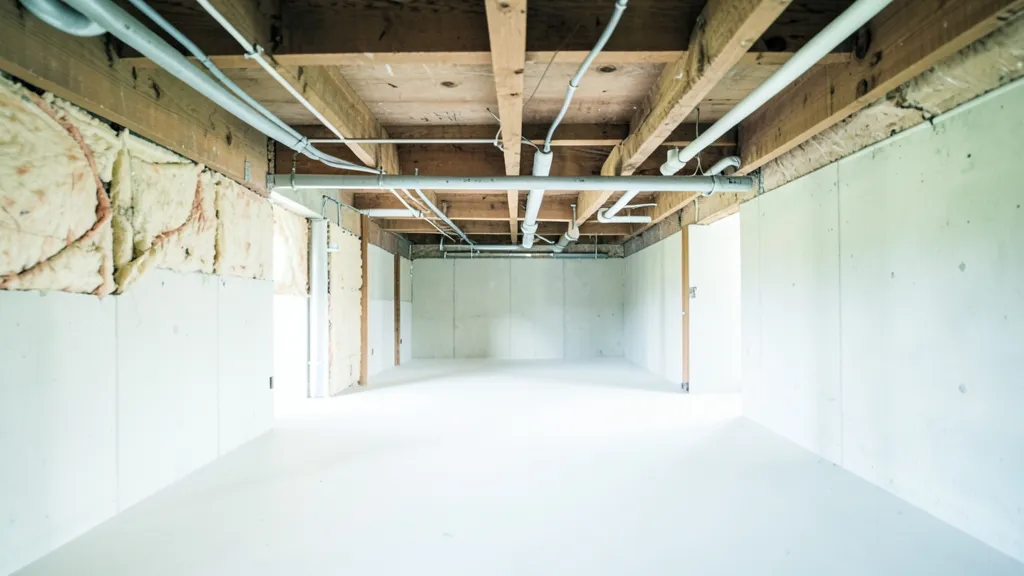
Basements and crawl spaces in Rocky Valley offices often lack proper ventilation. High humidity from the ground combines with poor airflow, creating a perfect mold environment.
Crawl spaces in Quakertown-area buildings are especially vulnerable if vapor barriers are missing or damaged. Encapsulation and dehumidifiers are critical for long-term control.
Install a dedicated dehumidifier in basements and crawl spaces. Aim for relative humidity below 50% to inhibit mold growth.
Water Damage from Flooding or Poor Drainage
Spring thaws and heavy rains can overwhelm drainage systems, leading to water intrusion. Office buildings with inadequate grading or clogged gutters are at high risk.
Even minor flooding can saturate carpets, drywall, and subflooring. Immediate water damage restoration is essential to prevent mold within 24–48 hours.
Attic Mold from Improper Insulation and Ventilation
Attics in commercial buildings often suffer from poor airflow and insufficient insulation. Heat and moisture from lower floors rise, condensing on cold surfaces and feeding mold.
In Rocky Valley’s cold winters, ice dams can force water under roofing, leading to attic mold. Proper baffles and ridge vents are key to preventing this cycle.
Carpeting and Furniture as Mold Reservoirs
Carpeting in high-traffic areas traps moisture from spills, cleaning, or humidity. Once mold takes hold in the padding, it’s nearly impossible to fully remediate without removal.
Upholstered furniture near exterior walls or windows can also harbor mold if condensation is an issue. Regular deep cleaning and moisture monitoring are essential.
Mold-Prone Areas to Inspect in Offices
- HVAC ducts and coils
- Ceiling tiles and insulation
- Under-sink cabinets and plumbing
- Basement and crawl space walls
- Carpeting near entrances or windows
- Attic insulation and roof decking
How to Respond to Suspected Mold in Your Office Building
Acting quickly can prevent minor mold issues from becoming major remediation projects.
- 1Isolate the Area
Close off the affected space to prevent spores from spreading. Turn off HVAC systems if mold is suspected in ductwork.
- 2Conduct a Professional Mold Inspection
Our team uses moisture meters, thermal imaging, and air quality testing to identify the source and extent of contamination.
- 3Contain and Remove Mold
Set up containment barriers and use HEPA filtration to safely remove moldy materials. Porous items like drywall or carpeting often require disposal.
- 4Address the Moisture Source
Fix leaks, improve ventilation, or install dehumidifiers to prevent recurrence. Without this step, mold will return.
- 5Verify Remediation with Clearance Testing
Post-remediation air and surface testing ensures mold levels are back to normal. This step is critical for commercial spaces.
Frequently Asked Questions
How quickly can mold grow in a Rocky Valley office after a water leak?
Mold can begin growing within 24–48 hours of water exposure, especially in humid conditions. Immediate water damage restoration is key to preventing an infestation.
Is mold in office HVAC systems dangerous for employees?
Yes. Mold in HVAC systems can distribute spores throughout the building, leading to respiratory issues, allergies, and other health problems. Air quality testing is recommended if occupants report symptoms.
Can we just clean moldy drywall, or does it need to be replaced?
Porous materials like drywall and ceiling tiles typically cannot be fully cleaned and must be removed and replaced. Non-porous surfaces can often be cleaned with specialized solutions.
What’s the difference between mold testing and mold inspection?
Mold inspection visually identifies moisture sources and mold growth. Mold testing involves air or surface samples analyzed in a lab to confirm species and spore counts. Both are often needed for commercial remediation.
Do you serve office buildings in Coopersburg or Quakertown?
Yes, we provide commercial mold remediation, inspections, and water damage restoration across Rocky Valley, Coopersburg, Quakertown, and surrounding areas. Request a quote for your building.
How can we prevent mold in our office building long-term?
Control moisture with proper ventilation, dehumidifiers, and regular HVAC maintenance. Schedule annual mold inspections and address leaks or water damage immediately.