The Hidden Costs of Undisclosed Mold in Rocky Valley Home Sales
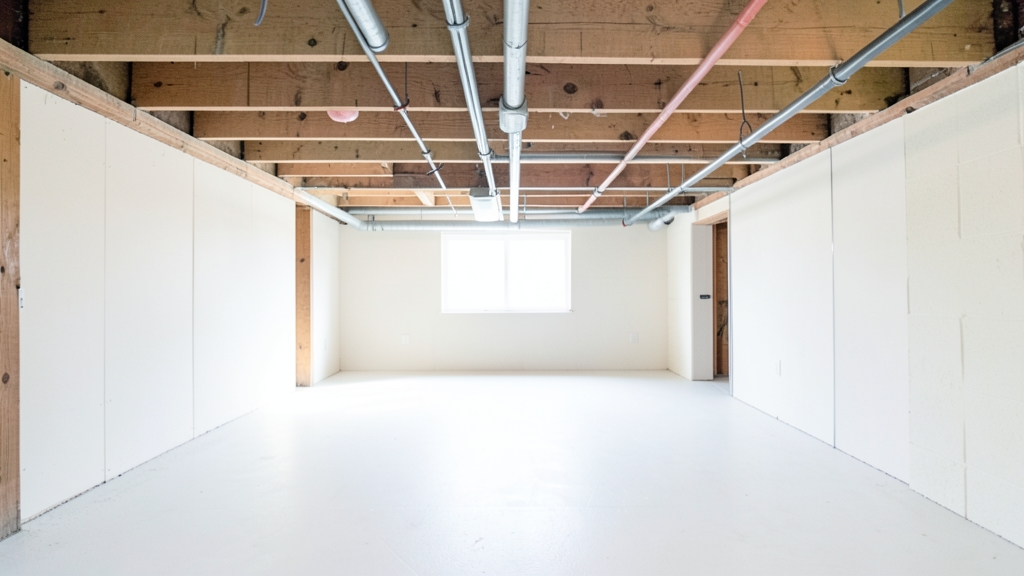
Buying a home in Rocky Valley is exciting, but undisclosed mold can turn that dream into a financial nightmare. Hidden mold not only compromises air quality but can also lead to costly remediation, legal disputes, and health risks. We’ve seen it derail sales and drain budgets—here’s what you need to know to stay protected.
Why Undisclosed Mold Is a Silent Deal-Killer
Mold thrives in damp, poorly ventilated spaces—common in basements, crawl spaces, and attics across our region. Sellers may overlook or conceal it, but buyers often inherit the problem, along with the bill.
In Pennsylvania, disclosure laws require sellers to reveal known defects, including mold. Failure to do so can result in post-sale lawsuits, especially if the mold causes health issues or structural damage.
Undisclosed mold can void a sale or trigger costly litigation. Always demand a professional mold inspection before closing.
The Financial Fallout of Hidden Mold
Remediation costs vary widely based on the extent of infestation, affected materials, and whether structural repairs are needed. Porous materials like drywall often require removal, while non-porous surfaces may be salvageable with cleaning.
Delays in addressing mold can lead to secondary damage, such as rotted wood or compromised HVAC systems. In severe cases, entire sections of a home may need gutting, escalating expenses dramatically.
| Factor | Impact on Cost | Example Scenarios |
|---|---|---|
| Extent of Infestation | Higher for widespread growth | Single wall vs. entire basement |
| Material Type | Porous = costlier to replace | Drywall, insulation, carpet |
| Accessibility | Hard-to-reach areas add labor | Crawl spaces, attics, behind walls |
| Type of Mold | Toxic strains may require specialized protocols | Black mold (Stachybotrys) vs. common mildew |
| Structural Damage | Repairs increase total expense | Joist replacement, subfloor repairs |
Health Risks That Drive Up Long-Term Costs
Exposure to mold spores can trigger allergies, respiratory issues, and even neurological symptoms in sensitive individuals. Mycotoxins from certain molds pose serious health risks, particularly for children, the elderly, or immunocompromised residents.
Medical bills from mold-related illnesses can dwarf remediation costs. In Rocky Valley’s humid summers, mold spreads quickly—early detection is critical to preventing both health and financial consequences.
How Mold Goes Undetected in Home Inspections
Standard home inspections often miss hidden mold behind walls, under flooring, or in HVAC systems. Visual clues like water stains or musty odors are red flags, but professional mold testing is the only sure way to confirm its presence.
We recommend air quality testing and thermal imaging for homes in Coopersburg, Springtown, and Hellertown, where older properties and seasonal flooding increase mold risks.
Schedule mold testing separately from your general home inspection. A specialist uses tools like moisture meters and borescopes to find what others miss.
The Remediation Process: What to Expect
Proper remediation starts with containment to prevent spores from spreading. Our team uses negative air pressure and HEPA filtration to isolate the affected area, then removes or treats contaminated materials.
Post-remediation verification ensures the mold is gone. This step is non-negotiable—skipping it risks recurrence. In areas like Center Valley and Quakertown, where basements are prone to moisture, we often install dehumidifiers as a preventive measure.
Preventing Mold Before It Starts
Moisture control is the key to mold prevention. Fix leaks promptly, ensure proper drainage around the foundation, and maintain indoor humidity below 50%. Ventilation in bathrooms, kitchens, and laundry rooms is equally critical.
Regular inspections of attics, crawl spaces, and basements can catch early signs of moisture buildup. For commercial properties, proactive maintenance plans are essential to avoid costly shutdowns.
Mold Prevention Checklist
- Inspect roofs and gutters for leaks annually
- Use dehumidifiers in basements and crawl spaces
- Seal cracks in foundations and walls
- Ensure proper grading to divert water away from the home
- Ventilate high-moisture areas (bathrooms, kitchens)
- Monitor indoor humidity with a hygrometer
Local Considerations for Rocky Valley and Beyond
Our region’s climate—cold, wet winters and humid summers—creates ideal conditions for mold growth. Homes in flood-prone areas near the Saucon Creek or older properties in Hellertown and Quakertown are particularly vulnerable.
Commercial buildings in Center Valley often face unique challenges, such as HVAC systems circulating spores throughout large spaces. Regular air quality testing is a must for business owners.
How to Protect Yourself During a Home Purchase
Follow these steps to avoid buying a property with hidden mold issues.
- 1Hire a Certified Mold Inspector
A specialist will conduct thorough testing, including air and surface samples, to detect mold even in hidden areas. This is separate from a standard home inspection.
- 2Review the Seller’s Disclosure Carefully
Look for mentions of past water damage, leaks, or mold remediation. In Pennsylvania, sellers are legally required to disclose known issues.
- 3Request a Moisture Map
Thermal imaging can reveal moisture hotspots behind walls or under flooring, which are prime locations for mold growth.
- 4Negotiate Based on Findings
If mold is found, ask the seller to cover remediation costs or reduce the sale price accordingly. Never close without addressing the issue.
- 5Schedule Post-Remediation Verification
After remediation, insist on a clearance test to confirm the mold has been fully eradicated before finalizing the purchase.
Frequently Asked Questions
Can I sue the seller if undisclosed mold is found after purchase in Rocky Valley?
Yes, Pennsylvania law requires sellers to disclose known defects, including mold. If they fail to do so and you suffer damages, you may have grounds for legal action. Consult a real estate attorney to explore your options.
How much does professional mold remediation typically cost?
Costs depend on the scope of the infestation, materials affected, and accessibility. Small, contained areas may require less investment, while widespread growth in basements or attics can be significant. Request a quote for an accurate estimate.
Is mold covered by homeowners insurance?
Most standard policies exclude mold unless it’s a direct result of a covered peril, like a burst pipe. Review your policy carefully and consider adding a mold endorsement if you’re in a high-risk area.
How long does mold remediation take?
A typical project takes 1-5 days, depending on the size of the affected area and the extent of the damage. Larger or more complex jobs, such as those involving structural repairs, may take longer.
Are there any DIY mold removal methods that work?
DIY methods like bleach or vinegar may work for small, non-porous surfaces, but they often fail to address the root cause. For porous materials or large infestations, professional remediation is the only safe, effective solution.
What are the signs of hidden mold in a home?
Musty odors, water stains, peeling paint, or warped floors are common indicators. Allergic reactions like sneezing or itchy eyes when indoors can also signal hidden mold. A professional inspection is the best way to confirm its presence.