Best Practices for Laundry Room Ventilation to Prevent Mold in Rocky Valley
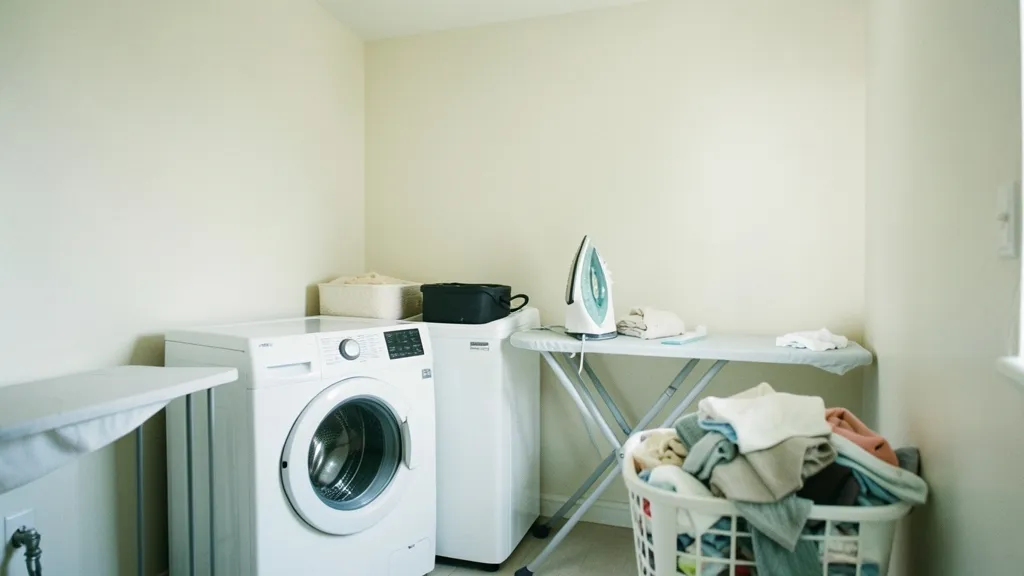
Laundry rooms in Rocky Valley homes are prime breeding grounds for mold if moisture isn’t controlled. Poor ventilation traps humidity from washers and dryers, creating the perfect environment for spores to thrive. We’ll show you how to keep your space dry and mold-free with proven strategies.
Why Laundry Rooms in Rocky Valley Are Mold Magnets
Rocky Valley’s humid summers and damp basements already push indoor moisture levels high. Add a laundry room’s constant water use, and you’ve got a recipe for mold growth on walls, ceilings, and even behind appliances.
Without proper airflow, lint and moisture accumulate in ducts, feeding mold colonies that spread quickly. Even newer homes in Coopersburg or Springtown aren’t immune if ventilation is overlooked.
Mold in laundry room ducts can circulate spores throughout your home via HVAC systems. Always inspect vents during mold testing.
Signs Your Laundry Room Ventilation Is Failing
Musty odors lingering after wash cycles are the first red flag. If the smell persists, mold may already be growing behind drywall or under flooring.
Condensation on windows or walls, peeling paint, or visible black spots near the washer or dryer are clear indicators. In Hellertown and Center Valley, older homes often lack dedicated exhaust systems, worsening the issue.
Excessive humidity that doesn’t dissipate within an hour of finishing laundry is another sign. A simple hygrometer can confirm if levels exceed 50%, the threshold for mold growth.
Exhaust Fans vs. Dryer Vents: What’s the Difference?
Dryer vents expel hot, moist air *outside* the home, but they don’t address general humidity from washing machines or ambient moisture. An exhaust fan is critical for whole-room ventilation.
Many Rocky Valley homes rely solely on dryer vents, which is insufficient. Bathroom-style exhaust fans rated for high moisture (110+ CFM) are ideal for laundry rooms under 100 sq. ft.
| Feature | Dryer Vent | Exhaust Fan |
|---|---|---|
| Primary Purpose | Expels dryer heat/moisture | Removes ambient humidity |
| Location | Connected to dryer | Mounted on wall/ceiling |
| Airflow Direction | Ducts outside only | Can duct outside or to attic (if permitted) |
| Moisture Control | Partial (dryer only) | Comprehensive (whole room) |
| Maintenance | Clean lint trap & duct annually | Clean fan & duct semi-annually |
Upgrading Ventilation Systems for Mold Prevention
Start with a high-capacity exhaust fan. For laundry rooms over 100 sq. ft., consider a 250 CFM model. Ensure it’s ducted *outside*—not into attics or crawl spaces, a common mistake in Quakertown homes.
If ductwork is impractical, a dehumidifier rated for 50+ pints/day can supplement airflow. Place it near the washer to capture moisture at the source.
Seal gaps around dryer vents and exhaust fan housing to prevent backdrafts, which can pull humid outdoor air (or attic mold spores) back into the room.
Use rigid metal ducting for dryer vents—flexible plastic traps lint and moisture, accelerating mold growth. Always vent *downward* to prevent rain intrusion.
Maintenance Routines to Keep Mold at Bay
Clean the lint trap after *every* dryer cycle. Lint blocks airflow, forcing moisture back into the room. In Rocky Valley’s damp climate, this can lead to mold in as little as 48 hours.
Inspect and clean dryer vents and exhaust fan ducts every 6 months. Use a vacuum or vent brush to remove lint and debris. For hard-to-reach areas, our team uses specialized cameras during mold inspections.
Wipe down washing machine gaskets and detergent dispensers weekly. Residue buildup harbors mold and bacteria, which then spread to clothes and air.
Monthly Laundry Room Mold Prevention Checklist
- Run the exhaust fan for 20+ minutes after laundry
- Check for condensation on walls or appliances
- Empty and clean the dehumidifier’s water tank (if applicable)
- Inspect caulking around sinks and water connections
- Test humidity levels with a hygrometer
When to Call a Mold Remediation Professional
If you see visible mold or smell a persistent musty odor, DIY fixes may not be enough. Mold in ductwork or behind walls often requires professional remediation to prevent recurrence.
In Rocky Valley, we frequently handle cases where poor laundry room ventilation led to hidden mold in adjacent basements or crawl spaces. Air quality testing can confirm spore levels before and after remediation.
For commercial properties or large homes in areas like Center Valley, industrial-grade dehumidifiers and HVAC modifications may be needed. Always request a quote to assess the scope.
Long-Term Solutions for Rocky Valley Homes
Consider a heat recovery ventilator (HRV) for whole-home moisture control. HRVs exchange stale indoor air with fresh outdoor air while retaining heat, ideal for Pennsylvania’s cold winters.
For basements or crawl spaces with laundry setups, encapsulate the space with a vapor barrier and add a sump pump if water intrusion is a risk. This is especially critical in older Hellertown homes.
Upgrade to a front-load washer with a self-cleaning cycle. These models use less water and dry out faster, reducing residual moisture. Pair with a vented dryer for optimal results.
How to Improve Laundry Room Ventilation in 5 Steps
Follow these steps to reduce moisture and prevent mold growth in your laundry area.
- 1Install or Upgrade Exhaust Fans
Choose a fan rated for high-moisture areas (110+ CFM). Ensure it’s ducted outside, not into an attic or crawl space. For larger rooms, opt for a 250 CFM model.
- 2Seal and Insulate Dryer Vents
Replace flexible plastic vents with rigid metal ducting. Seal all joints with foil tape and insulate sections passing through unconditioned spaces like basements.
- 3Add a Dehumidifier
Place a 50+ pint/day dehumidifier near the washer. Empty the tank regularly or connect a hose to a drain. Aim to keep humidity below 50%.
- 4Improve Airflow
Leave the laundry room door open when not in use. Add a 1-inch gap under the door or install a louvered vent to promote circulation.
- 5Monitor and Maintain
Use a hygrometer to track humidity levels. Clean lint traps, exhaust fans, and dryer vents every 6 months. Address leaks or condensation immediately.
Frequently Asked Questions
Can I vent my dryer into the attic in Rocky Valley?
No. Venting a dryer into an attic traps moisture and lint, creating ideal conditions for mold and even fire hazards. Always vent dryer exhaust *outside* the home. If your attic has existing mold, our team can perform remediation before rerouting vents.
How do I know if my laundry room exhaust fan is strong enough?
Divide the room’s square footage by 7.5 to get the minimum CFM needed (e.g., 100 sq. ft. ÷ 7.5 = ~13 CFM, but we recommend 110+ CFM for laundry rooms). If the fan doesn’t clear humidity within 20 minutes, upgrade to a higher-capacity model.
What flooring works well for a laundry room to prevent mold?
Use moisture-resistant materials like vinyl, tile, or sealed concrete. Avoid carpet or laminate, which trap moisture. In basements (common in Coopersburg), add a vapor barrier under the flooring and ensure proper grading to prevent water seepage.
Why does my laundry room smell like mildew even after cleaning?
Mildew odors often stem from hidden mold in ductwork, behind appliances, or under flooring. Run a dehumidifier continuously for a week. If the smell persists, schedule a mold inspection with air quality testing to pinpoint the source.
Are there building codes for laundry room ventilation in Pennsylvania?
Yes. The International Residential Code (IRC), adopted in Pennsylvania, requires mechanical ventilation for laundry rooms in new constructions. Existing homes in Rocky Valley may not comply, but retrofitting is highly recommended to prevent mold and meet safety standards.
Can mold from my laundry room spread to other areas?
Absolutely. Mold spores travel through air ducts, HVAC systems, and even on clothing. If you suspect mold in your laundry room, check adjacent spaces like basements, crawl spaces, or attics—especially in older homes in Springtown or Quakertown.