Mold vs. Mildew Cleanup: A Safe and Effective Guide for Rocky Valley Homeowners
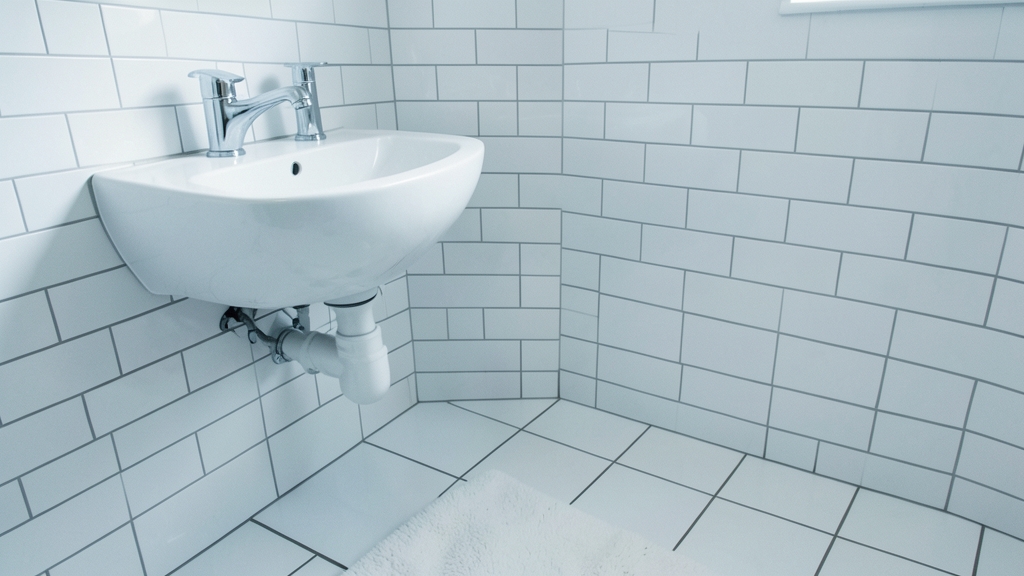
Mold and mildew thrive in Rocky Valley’s humid summers and damp basements, but they’re not the same problem. Misidentifying one for the other can lead to ineffective cleanup—or worse, spreading contamination. We’ll break down the differences, safe removal methods, and how to prevent regrowth in your home.
Mold vs. Mildew: What’s the Difference?
Mildew is a surface-level fungus, typically white or gray, that grows in flat patches on moist, organic materials like paper, fabric, or wood. It’s easier to treat and rarely damages structures.
Mold, however, penetrates deeper into porous materials like drywall, insulation, or subflooring. It appears as fuzzy or slimy patches in green, black, or brown—and can compromise indoor air quality.
Both release spores, but mold can produce mycotoxins in certain species (e.g., Stachybotrys), posing greater health risks. Mildew’s effects are usually limited to allergies or musty odors.
Where Each Grows in Rocky Valley Homes
Mildew loves high-humidity areas with poor airflow: bathrooms, window sills, and laundry rooms. It’s common in Coopersburg and Springtown homes with older, single-pane windows that sweat in winter.
Mold thrives in hidden, chronically damp spaces. We often find it in basements after water intrusion, under sink cabinets in Hellertown, or in attics with roof leaks near Center Valley.
Crawl spaces are a hotspot in Quakertown due to groundwater seepage and poor ventilation. Mold here can spread upward through floor joists, affecting living areas.
| Area | Mildew Risk | Mold Risk |
|---|---|---|
| Bathrooms | High (shower walls, caulk) | Moderate (behind tile, under flooring) |
| Basements | Low (unless very humid) | High (after water damage, poor drainage) |
| Attics | Low | High (roof leaks, condensation) |
| Crawl Spaces | Low | Very High (ground moisture, poor airflow) |
| Kitchens | Moderate (under sinks, behind appliances) | Moderate (hidden leaks) |
| HVAC Systems | Low | High (ductwork with condensation) |
Health Risks: When to Worry
Mildew can trigger mild allergic reactions—sneezing, itchy eyes, or skin irritation. It’s mostly a nuisance, but chronic exposure may worsen asthma or respiratory conditions.
Mold is more insidious. Prolonged exposure to species like Aspergillus or black mold can cause persistent coughing, headaches, or even neurological symptoms in sensitive individuals. Infants, the elderly, and immunocompromised are at higher risk.
If you notice unexplained health issues that improve when away from home, it’s a red flag. A professional mold inspection and air quality testing can confirm the source.
Avoid touching or scrubbing mold without proper PPE. Disturbing it releases spores into the air, worsening contamination and health risks.
DIY Cleanup: When It’s Safe and When It’s Not
Mildew on non-porous surfaces (tile, glass, metal) can often be cleaned with a 1:10 bleach-water solution or commercial mildew remover. Always wear gloves and a mask, and ensure the room is ventilated.
For porous materials like drywall or ceiling tiles, mildew may require removal if it’s deeply embedded. Sanding or scrubbing can push spores deeper into the material.
Mold on any porous surface—or covering more than 10 square feet—requires professional remediation. DIY attempts often miss hidden growth in wall cavities or subflooring, leading to recurrence.
If you’re unsure whether it’s mold or mildew, a simple at-home test kit can help. For peace of mind, our team offers Mold Testing and Air Quality Testing to identify species and spore counts.
Professional Mold Remediation: What to Expect
Our process starts with containment. We seal off the affected area with plastic sheeting and use negative air pressure to prevent spores from spreading during removal.
Next, we remove contaminated materials—drywall, insulation, carpeting—using HEPA vacuums and air scrubbers to capture airborne spores. Non-porous surfaces are cleaned with antimicrobial solutions.
After removal, we address the moisture source. This might involve repairing leaks, improving drainage, or installing a dehumidifier. Without fixing the root cause, mold will return within weeks.
Signs You Need Professional Mold Remediation
- Visible mold covering more than 10 sq. ft.
- Musty odors with no visible source
- Water damage or past flooding in the area
- Health symptoms that improve when away from home
- Mold in HVAC systems or ductwork
- Recurring mold after DIY cleanup attempts
Preventing Mold and Mildew in Rocky Valley’s Climate
Our region’s humidity and seasonal temperature swings create ideal conditions for growth. Keep indoor humidity below 50% with dehumidifiers, especially in basements and crawl spaces.
Improve airflow in problem areas. Use exhaust fans in bathrooms and kitchens, and ensure attic and crawl space vents are unobstructed. Consider a whole-house ventilation system for older homes in Hellertown or Coopersburg.
Regularly inspect for leaks—under sinks, around windows, and near appliances. Address water damage immediately, even if it seems minor. Mold can begin growing within 24-48 hours of moisture exposure.
Related Services: Beyond Mold Cleanup
Mold is often a symptom of larger issues. Our Mold Inspection services use thermal imaging and moisture meters to detect hidden problems behind walls or under flooring.
For homes with chronic moisture, we offer Mold Prevention and Moisture Control solutions, like crawl space encapsulation or basement waterproofing. These are especially critical in low-lying areas near Quakertown or Springtown.
Commercial properties face unique challenges. Our Commercial Mold Remediation services address large-scale contamination in offices, schools, or retail spaces, minimizing downtime and liability risks.
How to Safely Clean Surface Mildew
For small, non-porous areas, follow these steps to remove mildew without spreading spores.
- 1Gather Supplies
You’ll need gloves, an N95 mask, goggles, a stiff brush, a spray bottle, and a mildew cleaner (bleach solution or commercial product). Ensure the area is well-ventilated.
- 2Pre-Treat the Area
Spray the mildew with your cleaner and let it sit for 10-15 minutes. This loosens the growth and kills surface spores.
- 3Scrub Gently
Use the brush to scrub the area in a circular motion. Avoid aggressive scrubbing, which can damage surfaces or release spores.
- 4Rinse and Dry
Wipe the area with a damp cloth to remove residue, then dry thoroughly with a clean towel. Use a fan to speed up drying and prevent regrowth.
- 5Dispose of Materials
Seal used cloths, brushes, and any disposable items in a plastic bag before discarding. Wash reusable items in hot, soapy water.
Frequently Asked Questions
Can I use vinegar to kill mold in my Rocky Valley basement?
Vinegar can kill some surface mold on non-porous materials, but it’s not effective for porous surfaces or large infestations. For basements, where mold often hides in walls or insulation, professional remediation is safer and more thorough.
How do I know if my home’s musty smell is mold or just old house odor?
Musty odors from mold are often stronger in specific areas and may worsen after rain or high humidity. Old house smells are usually consistent throughout the home. A Mold Inspection can pinpoint the source.
Is black mold more dangerous than other types?
Black mold (Stachybotrys) can produce mycotoxins, which may cause more severe health effects than common molds. However, any mold in large quantities can be harmful. Never assume a mold is ‘safe’ based on color alone.
What’s the difference between mold testing and air quality testing?
Mold Testing identifies the type and concentration of mold in a specific area, often via surface or bulk samples. Air Quality Testing measures the spore count in the air, helping assess overall indoor air quality and potential health risks.
Will painting over mold solve the problem?
No. Painting over mold only hides it temporarily. The mold will continue to grow underneath, eventually causing the paint to peel or bubble. Always remove mold before repainting.
How often should I check for mold in my attic or crawl space?
Inspect these areas at least twice a year—spring and fall are ideal in Pennsylvania. Also check after heavy storms, plumbing leaks, or if you notice a musty odor. Early detection prevents costly damage.