Why Post-Remediation Verification Is Critical for Mold-Free Homes in Rocky Valley
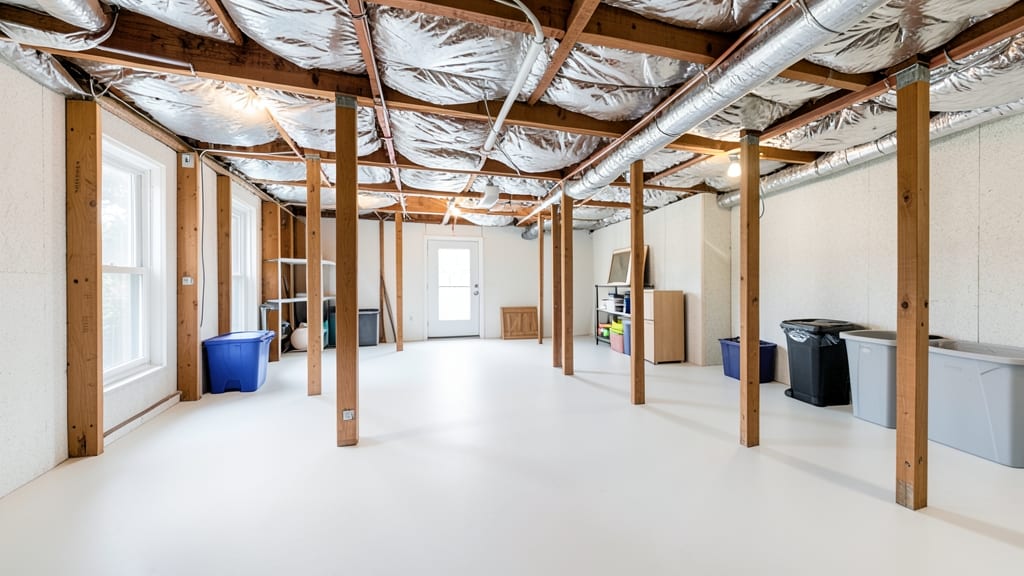
Post-remediation verification isn’t just a formality—it’s the only way to confirm mold is truly gone. Without it, hidden spores can regroup, especially in our region’s damp basements and poorly ventilated attics. We’ve seen too many homeowners in Coopersburg and Hellertown assume the job was done, only to face recurring issues weeks later.
What Post-Remediation Verification Actually Means
This isn’t a quick visual check. True verification combines air, surface, and sometimes bulk testing to measure spore counts against outdoor baselines. We use professional-grade tools like moisture meters and thermal imaging to detect hidden pockets behind drywall or under flooring.
In Pennsylvania’s humid summers, residual moisture can linger undetected. That’s why we don’t just test—we map moisture sources to prevent regrowth in areas like Center Valley or Quakertown, where older homes often have hidden leaks.
Post-remediation verification should always be performed by a third-party inspector, not the remediation company. This ensures unbiased results.
Why Visual Inspections Aren’t Enough
Mold hides. Behind baseboards, under carpet padding, or inside HVAC ducts, colonies can thrive out of sight. A visual inspection might miss these, but air testing catches elevated spore levels that indicate an active problem.
We’ve pulled up flooring in Springtown homes to find mold blooming beneath, undetected by the naked eye. Without verification, you’re gambling with your indoor air quality.
The Science Behind Clearance Testing
Clearance testing compares indoor spore counts to outdoor controls. If indoor levels are higher, the remediation wasn’t successful. We use ERMI or PCR tests for species-specific identification, critical for toxic strains like Stachybotrys.
For basements in Rocky Valley, we often pair air tests with surface swabs. Concrete walls can harbor mold that doesn’t aerosolize until disturbed—like during a renovation.
| Method | Best For | Limitations |
|---|---|---|
| Air Sampling (Spore Trap) | General spore count comparison | Doesn’t identify dead spores or hidden growth |
| Surface Swab | Visible mold identification | Limited to sampled area |
| ERMI (DNA-based) | Species-specific detection | More expensive, requires lab analysis |
| Thermal Imaging | Moisture detection behind walls | Can’t confirm mold, only moisture |
How Moisture Mapping Prevents Recurrence
Mold returns if the moisture source isn’t fixed. We use infrared cameras and hygrometers to create a moisture map of your home, pinpointing leaks, condensation, or poor ventilation—common in attics and crawl spaces.
In older Hellertown properties, we often find failing vapor barriers in crawl spaces. Without addressing these, even the best remediation will fail.
Local Conditions That Demand Extra Scrutiny
Our region’s climate—cold, wet winters and humid summers—creates perfect mold conditions. Basements in Coopersburg, for example, often battle high humidity from groundwater seepage. Attics in Center Valley may trap moisture from poor roof ventilation.
After remediation, we recommend seasonal checks, especially after heavy rains or snowmelt.
Spring and fall are high-risk seasons for mold regrowth in PA. Schedule post-remediation verification before these transitions.
What Happens If You Skip Verification?
Without verification, you risk inhaling residual spores or mycotoxins, which can trigger allergies, respiratory issues, or long-term health problems. We’ve seen families in Quakertown move back in too soon, only to face recurring symptoms.
There’s also the financial cost. Re-remediation is more expensive than doing it right the first time. Insurance may even deny claims if you can’t prove the initial job was verified.
Our Post-Remediation Verification Process
We start with a thorough visual inspection, then deploy air and surface tests. Our team uses calibrated equipment to ensure accuracy, and we document everything for your records.
For commercial properties, we add HVAC system testing. Mold in ductwork can spread quickly through large buildings, so we verify the entire system is clean.
Verification Checklist
- Visual inspection of all remediated areas
- Air sampling in affected and control areas
- Surface swabs of suspected hotspots
- Moisture mapping with thermal imaging
- HVAC inspection (if applicable)
- Third-party lab analysis of samples
How to Prepare for Post-Remediation Verification
A little prep ensures accurate results and a smooth process.
- 1Clear the Area
Remove personal items, furniture, or stored boxes from the tested spaces. This allows full access to walls, floors, and hidden corners.
- 2Avoid Cleaning
Don’t vacuum, dust, or use air purifiers for 24 hours before testing. This prevents skewing spore count results.
- 3Control HVAC Systems
Turn off heating or cooling systems at least 2 hours before air sampling. This prevents airborne spores from being diluted or concentrated artificially.
- 4Close Windows and Doors
Keep all windows and exterior doors closed for 12–24 hours prior to testing to stabilize indoor air conditions.
- 5Document Previous Work
Have your remediation report and any moisture readings ready. This helps us compare pre- and post-remediation conditions.
Frequently Asked Questions
How soon after remediation should verification testing be done?
Ideally, 24–48 hours after remediation completes. This allows any disturbed spores to settle. For large or commercial jobs, we may recommend waiting up to 72 hours.
Can I do post-remediation verification myself?
No. DIY test kits lack the precision and control sampling of professional equipment. Plus, interpreting results requires expertise to avoid false negatives or positives.
What’s the difference between clearance testing and a home inspection?
Clearance testing is a specialized process focused solely on confirming mold removal. A standard home inspection doesn’t include spore counting, moisture mapping, or lab analysis.
Do you offer post-remediation verification for DIY mold cleanup?
Yes, but we strongly advise against DIY remediation for anything beyond tiny, surface-level mold. Improper cleanup often spreads spores. If you’ve tackled it yourself, verification is critical to confirm success.
What if verification fails?
We’ll identify the source—whether it’s missed contamination, unresolved moisture, or cross-contamination. Then, we’ll outline corrective steps and retest. This is why we always recommend professional remediation from the start.
Is post-remediation verification required for real estate transactions in Rocky Valley?
While not legally required, many buyers and lenders demand it. Sellers with past mold issues often provide verification to speed up the process and avoid negotiations.