Why Post-Remediation Verification Is Non-Negotiable for Mold Projects in Rocky Valley
Post-remediation verification isn’t just a final checkbox—it’s the only way to confirm mold is truly gone and won’t return. In our region’s humid summers and damp basements, skipping this step risks reinfestation, health hazards, and costly rework. We never consider a job complete until clearance testing proves it.
What Post-Remediation Verification Actually Means
Post-remediation verification (PRV) is a series of inspections and tests conducted after mold removal to confirm the remediation met industry standards. It’s not a visual check—it’s scientific proof.
We use air, surface, and sometimes bulk sampling to measure spore counts and compare them to outdoor baselines or pre-remediation levels. Only then can we certify the space is safe.
Why Rocky Valley Homes Need It More Than Most
Our area’s high humidity, older housing stock, and frequent basement flooding create perfect conditions for mold recurrence. Without PRV, hidden colonies in wall cavities or HVAC systems can thrive unnoticed.
Neighboring towns like Coopersburg and Hellertown share similar challenges. Even if mold appears gone, microscopic spores can linger, especially in poorly ventilated attics or crawl spaces.
Up to 50% of mold problems in our region are hidden behind drywall, under flooring, or in ductwork. PRV is the only way to catch what you can’t see.
The Science Behind Clearance Testing
We rely on third-party labs for unbiased analysis. Air samples are collected via spore traps or cassette pumps, while surface samples use tape lifts or swabs. ERMI testing is often used for dust samples in residential settings.
Results are compared to EPA or industry benchmarks. If spore counts are elevated, we investigate further—no guesswork, just data.
| Method | Use Case | Detection Scope |
|---|---|---|
| Air Sampling (Spore Trap) | General indoor air quality | Viable and non-viable spores |
| Surface Sampling (Tape Lift) | Visible mold on materials | Spore identification and count |
| ERMI Dust Test | Comprehensive home assessment | 36 indicator species, including water-damage molds |
| Swab Sampling | Targeted suspect areas | Specific mold species confirmation |
What Happens If You Skip Verification?
Without PRV, you risk false assurance. Mold can regrow within 24–48 hours if moisture isn’t controlled. We’ve seen cases in Springtown and Quakertown where homeowners thought the problem was solved—only to face worse infestations months later.
Health risks are another concern. Mycotoxins from molds like Stachybotrys can cause respiratory issues, especially in children or immunocompromised individuals. Verification ensures these threats are eliminated.
Key Steps in Our Verification Process
First, we conduct a visual inspection to check for any remaining mold or water damage. This includes thermal imaging to detect hidden moisture.
Next, we perform moisture mapping with meters to ensure humidity levels are within safe ranges (typically below 50% relative humidity).
Finally, we collect samples for lab analysis. Only when all tests pass do we issue a clearance certificate.
Post-Remediation Verification Checklist
- Visual inspection for mold and water damage
- Thermal imaging scan for hidden moisture
- Moisture level testing (walls, floors, air)
- Air and surface sampling for lab analysis
- HVAC system inspection (if applicable)
- Clearance report and certificate issuance
How Long Does Verification Take?
On-site testing usually takes 2–4 hours, depending on the property size and complexity. Labs typically return results within 24–48 hours, though rush options may be available for urgent cases.
For commercial properties in Center Valley or larger homes, the process may extend to a full day. We always prioritize thoroughness over speed.
PRV vs. DIY Test Kits: Why Professionals Win
Over-the-counter mold test kits are limited. They often lack the sensitivity to detect low levels of spores or identify specific species. Worse, they don’t account for the unique conditions of our region.
Our team uses calibrated equipment and follows IICRC S520 standards. We also interpret results in the context of your home’s history, construction, and local climate—something a DIY kit can’t do.
If you’ve used a DIY kit and found mold, treat it as a red flag—not a final answer. Professional verification is the only way to confirm the scope and success of remediation.
When to Schedule Verification
Ideally, PRV should be conducted within 24–72 hours after remediation. This window ensures any remaining spores haven’t had time to spread while allowing dust from the cleanup to settle.
For large or commercial projects, we may stage verification in phases, especially if work spans multiple areas like basements, attics, and HVAC systems.
How to Prepare for Post-Remediation Verification
A smooth verification process starts with proper preparation.
- 1Ensure the Area Is Dry
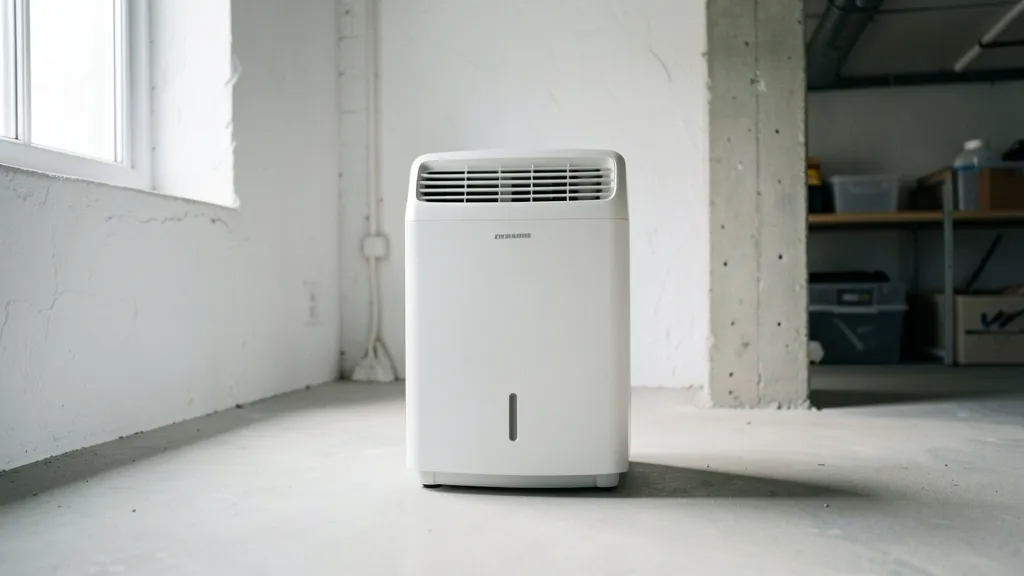
Run dehumidifiers for at least 24 hours before testing to achieve stable moisture levels. Aim for below 50% relative humidity.
- 2Avoid Cleaning or Disturbing the Area
Don’t vacuum, dust, or use air purifiers in the remediated space, as this can skew spore count results.
- 3Seal Off the Work Zone
Keep doors and windows closed and HVAC systems off during testing to prevent outside air from diluting samples.
- 4Provide Access to All Areas
Clear pathways to attics, crawl spaces, basements, and HVAC systems so we can conduct a thorough inspection.
- 5Share Remediation Documentation
Have your remediation report and any pre-testing results ready for comparison. This helps us tailor the verification process.
Frequently Asked Questions
Is post-remediation verification required by law in Pennsylvania?
Pennsylvania doesn’t mandate PRV for residential properties, but it’s often required by insurance companies, real estate transactions, or commercial contracts. More importantly, it’s the only way to ensure safety and prevent future issues.
Can mold come back after verification?
If moisture problems aren’t fixed, mold can return. That’s why we pair PRV with moisture control recommendations, such as crawl space encapsulation or improved attic ventilation. Our goal is long-term prevention, not just a temporary fix.
How much does post-remediation verification cost in Rocky Valley?
Costs vary based on property size, the number of samples needed, and lab fees. Factors like the type of testing (air, surface, ERMI) and urgency also play a role. Request a quote for an accurate estimate tailored to your situation.
What’s the difference between mold testing and post-remediation verification?
Mold testing identifies the presence and type of mold before remediation. PRV, on the other hand, confirms that remediation was successful and the environment is safe. Testing answers 'What’s there?'; verification answers 'Is it gone?'
Do you offer verification for DIY mold removal projects?
Yes. Even if you handled the cleanup yourself, we can conduct PRV to ensure the job was done correctly. This is especially common in areas like Quakertown or Center Valley, where homeowners tackle smaller projects.
What happens if my property fails verification?
If results show elevated spore counts or remaining mold, we’ll identify the source—whether it’s missed contamination, moisture issues, or improper cleanup. We’ll then outline corrective steps, which may include additional remediation or moisture control measures.