What Every Homeowner Should Know About Mold Remediation in Rocky Valley
Mold is more than an eyesore—it’s a silent threat to your home’s structure and your family’s health. In our region’s humid summers and damp springs, mold thrives if moisture isn’t controlled. We’ve seen firsthand how quick action and professional remediation can prevent costly damage in Rocky Valley homes.
Why Mold Grows in Homes Around Rocky Valley
Our climate—warm, humid summers and wet springs—creates ideal conditions for mold. Poor ventilation in attics, basements, or crawl spaces traps moisture, feeding mold spores already present in the air.
Leaky roofs, plumbing issues, or condensation from temperature swings (common in older homes in Coopersburg or Hellertown) accelerate growth. Even minor water intrusion can lead to hidden colonies behind drywall or under flooring.
Signs You Need Professional Mold Remediation
Visible mold—black, green, or white patches—on walls, ceilings, or baseboards is a clear red flag. Musty odors, especially in basements or crawl spaces, often indicate hidden mold.
Unexplained allergies, respiratory issues, or skin irritation among household members can signal airborne spores. In Center Valley and Quakertown, we often find mold in HVAC systems spreading spores throughout the home.
Avoid touching or scrubbing mold yourself. Disturbing it releases spores into the air, worsening contamination and health risks.
Mold Inspection vs. Mold Testing: What’s the Difference?
A mold inspection is a visual and physical assessment of your property to locate mold, moisture sources, and water damage. Our team uses thermal imaging and moisture meters to pinpoint hidden issues.
Mold testing (or air quality testing) collects samples to identify spore types and concentrations. This is critical for confirming remediation success or addressing health concerns, especially in commercial spaces.
| Aspect | Mold Inspection | Mold Testing |
|---|---|---|
| Purpose | Locate mold and moisture sources | Identify spore types and air quality |
| Tools Used | Thermal cameras, moisture meters, borescopes | Air pumps, swabs, petri dishes |
| Outcome | Remediation plan | Lab report with spore counts |
| When Needed | Visible mold or water damage | Health concerns or post-remediation verification |
The Mold Remediation Process: What to Expect
First, we contain the affected area with plastic sheeting and negative air pressure to prevent spore spread. HEPA air scrubbers filter airborne contaminants during the process.
Next, we remove porous materials (drywall, insulation, carpet) that can’t be cleaned. Non-porous surfaces are scrubbed with antimicrobial solutions. All debris is sealed and disposed of per EPA guidelines.
Finally, we address the moisture source—whether it’s a leaky pipe, poor drainage, or inadequate ventilation in your Springtown or Quakertown home—to prevent recurrence.
Common Areas for Mold in Local Homes
Basements and crawl spaces top the list due to high humidity and poor airflow. Without vapor barriers or encapsulation, these areas become mold breeding grounds.
Attics with insufficient ventilation trap heat and moisture, leading to mold on sheathing or insulation. Bathrooms, kitchens, and laundry rooms are also hotspots if exhaust fans are missing or underpowered.
Commercial buildings in Center Valley often face mold in HVAC ducts or behind wall panels, requiring specialized remediation to avoid business disruptions.
Mold-Prone Areas to Inspect Regularly
- Basements and crawl spaces
- Attics and roof sheathing
- Bathrooms (especially under sinks and behind toilets)
- Kitchens (under sinks, behind appliances)
- Laundry rooms and utility closets
- HVAC systems and ductwork
Health Risks of Mold Exposure
Mold produces allergens, irritants, and in some cases, mycotoxins. Common reactions include sneezing, coughing, itchy eyes, and skin rashes. Those with asthma or compromised immune systems face higher risks.
Prolonged exposure can lead to chronic sinusitis, respiratory infections, or neurological symptoms. Black mold (Stachybotrys) is particularly concerning and requires immediate professional attention.
While ‘toxic mold’ grabs headlines, most household molds are not deadly. However, all mold should be removed to protect health and property.
DIY vs. Professional Mold Remediation
Small, surface-level mold (under 10 square feet) on non-porous materials can sometimes be handled with proper safety gear and EPA-approved cleaners. But DIY efforts often miss hidden mold or fail to address the root moisture issue.
For larger infestations, or mold in HVAC systems, crawl spaces, or attics, professional remediation is non-negotiable. We use commercial-grade equipment and follow IICRC S520 standards to ensure thorough, safe removal.
Preventing Mold After Remediation
Fix leaks promptly, whether in roofs, pipes, or windows. Ensure proper grading around your home’s foundation to direct water away from the structure.
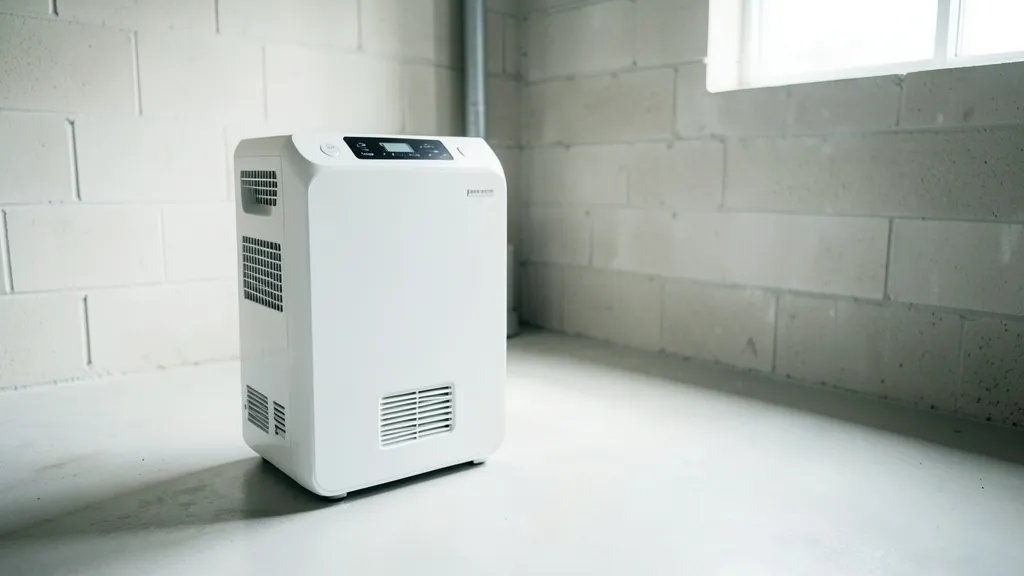
Use dehumidifiers in basements and crawl spaces, especially during humid months. Improve ventilation in attics, bathrooms, and kitchens with exhaust fans or ridge vents.
Regularly inspect and clean gutters, downspouts, and HVAC systems. For long-term protection, consider crawl space encapsulation or attic insulation upgrades.
Invest in a hygrometer to track indoor humidity. Keep levels below 60% to starve mold spores of the moisture they need to grow.
How to Choose a Mold Remediation Company in Rocky Valley
Not all mold remediation services are equal—here’s how to pick the right team for your home.
- 1Verify Certifications
Ensure the company holds IICRC (Institute of Inspection, Cleaning and Restoration Certification) credentials in mold remediation. This aligns with industry standards.
- 2Ask About Containment Protocols
A reputable team will use physical barriers and negative air pressure to prevent spore spread during remediation. Avoid companies that skip containment.
- 3Request a Detailed Inspection Report
The report should include moisture readings, photos, and a clear scope of work. This transparency is critical for understanding the extent of the problem.
- 4Check for Moisture Source Solutions
True remediation addresses the root cause. The company should provide a plan to fix leaks, improve ventilation, or install moisture barriers.
- 5Inquire About Post-Remediation Testing
Air quality testing after remediation confirms the mold is gone. Some companies include this; others charge extra. Always clarify upfront.
- 6
Look for a satisfaction promise and a warranty on the work. This protects you if mold returns due to incomplete remediation or overlooked moisture issues.
Frequently Asked Questions
How long does mold remediation take in a typical Rocky Valley home?
The timeline depends on the severity and location of the mold. Small, contained areas may take 1-3 days, while extensive infestations in basements or attics can require a week or more. Drying time after water damage also factors in.
Is mold remediation covered by homeowners insurance?
Coverage varies by policy and cause. If mold results from a ‘covered peril’ like a burst pipe, insurance may pay for remediation. However, mold due to neglect or long-term moisture issues is often excluded. Always check your policy and request a quote from us to understand costs.
Can mold come back after remediation?
Yes, if the moisture source isn’t addressed. That’s why we emphasize fixing leaks, improving ventilation, and controlling humidity as part of the process. Post-remediation testing helps confirm the issue is resolved.
What’s the difference between mold removal and mold remediation?
Mold removal refers to physically eliminating mold from surfaces, while remediation is a comprehensive process that includes containment, removal, cleaning, and moisture control to prevent recurrence. Remediation is the gold standard for safety and long-term results.
Do you serve areas near Rocky Valley, like Coopersburg or Hellertown?
Yes, our team provides mold inspection, testing, and remediation services across the region, including Coopersburg, Hellertown, Springtown, Center Valley, and Quakertown. Local knowledge helps us address area-specific issues, like flood-prone basements or older homes with poor ventilation.
How can I tell if my home’s air quality is affected by mold?
Signs include musty odors, visible mold growth, or health symptoms like allergies or respiratory issues. Professional air quality testing is the most reliable way to measure spore levels and identify hidden mold. We use lab analysis to provide precise results.