Why Black Mold is a Serious Concern for Rocky Valley Families
Black mold, or Stachybotrys chartarum, isn’t just an unsightly nuisance—it’s a silent threat that can compromise your home’s structural integrity and your family’s health. In our region’s humid summers and damp basements, it thrives unseen until it’s too late. We’ve seen firsthand how quickly it spreads and why professional intervention is the only safe solution.
What Exactly Is Black Mold and Why Is It Dangerous?
Black mold is a toxic fungus that releases mycotoxins, which can trigger respiratory issues, skin irritation, and even neurological symptoms with prolonged exposure. Unlike common household molds, Stachybotrys thrives on cellulose-rich materials like drywall, wood, and insulation—materials abundant in Rocky Valley homes.
Its dark greenish-black appearance and musty odor are telltale signs, but it often hides behind walls or under flooring. The real danger lies in its ability to spread rapidly through HVAC systems, contaminating the air you breathe daily.
Children, the elderly, and those with compromised immune systems are especially vulnerable. If you suspect black mold, avoid disturbing it—this can release a surge of spores into the air.
How Black Mold Takes Hold in Local Homes
Our area’s climate—warm, humid summers and cold, wet winters—creates the perfect breeding ground. Poor ventilation in basements, crawl spaces, and attics traps moisture, feeding mold growth. Leaky pipes, roof leaks, or even condensation from temperature swings can start the cycle.
In neighborhoods like Coopersburg or Hellertown, older homes with aging plumbing or insufficient insulation are particularly at risk. Even newer builds in Center Valley aren’t immune if water intrusion goes unchecked.
Black Mold vs. Other Common Household Molds
Not all dark molds are Stachybotrys. Alternaria and Cladosporium are common but less toxic. However, black mold’s slimy texture and the severe reactions it triggers set it apart. Lab testing is the only way to confirm its presence.
| Mold Type | Appearance | Health Risks | Common Locations |
|---|---|---|---|
| Stachybotrys (Black Mold) | Dark green/black, slimy | Severe: respiratory, neurological, skin irritation | Drywall, insulation, HVAC systems |
| Alternaria | Dark green/brown, fuzzy | Mild to moderate: allergies, asthma | Bathrooms, kitchens, windowsills |
| Cladosporium | Black/green, powdery | Mild: allergies, sinusitis | Carpets, fabrics, wood |
| Aspergillus | Green/yellow, powdery | Moderate: lung infections, allergies | Basements, attics, air ducts |
Signs You Might Have a Black Mold Problem
Visible dark stains or patches on walls, ceilings, or baseboards are obvious red flags. But mold often lurks out of sight. Unexplained musty odors, especially in basements or crawl spaces, are a strong indicator.
Other signs include persistent allergies, headaches, or respiratory issues that improve when you leave the house. Water stains or peeling paint can also signal hidden moisture—and where there’s moisture, mold follows.
Hidden Mold Hotspots in Your Home
- Behind drywall or wallpaper
- Under carpeting or padding
- Inside HVAC ducts or vents
- In attics with poor ventilation
- Beneath sinks or around plumbing
- In crawl spaces with dirt floors
Why DIY Mold Removal Often Fails (and Can Make It Worse)
Bleach and scrubbing might remove surface mold, but they don’t reach the roots embedded in porous materials. Worse, disturbing mold without proper containment can release millions of spores into the air, spreading contamination.
Without HEPA filtration, protective gear, and industry-grade antimicrobials, you risk recontamination—or exposing yourself to toxic spores. In Springtown or Quakertown, we’ve seen well-intentioned DIY efforts turn small problems into full-blown infestations.
Professional remediation includes containment, air scrubbing, and moisture control to prevent regrowth. We use thermal imaging and moisture meters to find hidden mold others miss.
The Professional Black Mold Remediation Process
First, we conduct a thorough mold inspection and air quality testing to assess the extent of the contamination. This step is critical—what you see is often just the tip of the iceberg.
Next, we isolate the affected area with plastic sheeting and negative air pressure to prevent spores from spreading. All contaminated materials are safely removed and disposed of according to EPA guidelines.
The space is then treated with antimicrobial solutions to kill remaining mold and spores. Finally, we address the root cause—whether it’s a leak, poor ventilation, or high humidity—to ensure the mold doesn’t return.
Preventing Black Mold in Rocky Valley’s Climate
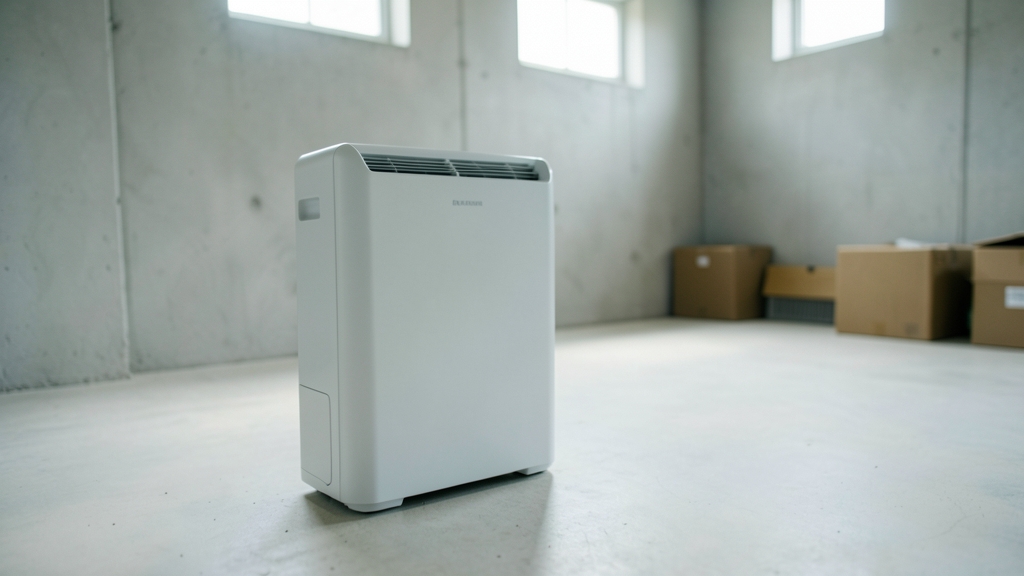
Controlling moisture is the key. Use dehumidifiers in basements and crawl spaces, especially during our humid summers. Ensure proper ventilation in bathrooms, kitchens, and attics to reduce condensation.
Regularly inspect for leaks in roofs, pipes, and windows. In areas like Center Valley, where older homes are common, proactive maintenance can prevent costly remediation later.
Consider a professional mold inspection if your home has a history of water damage or if you notice musty odors. Early detection saves time, money, and health.
How to Respond If You Suspect Black Mold
Acting quickly and safely can limit the damage and health risks.
- 1Isolate the Area
Close off the affected space and turn off HVAC systems to prevent spores from spreading through the air. Avoid touching or disturbing the mold.
- 2Protect Yourself
If you must enter the area, wear an N-95 respirator, gloves, and goggles. Do not use a regular dust mask—it won’t filter out mold spores.
- 3Document the Problem
Take photos or videos of the mold and any water damage. This helps professionals assess the situation and may be useful for insurance claims.
- 4Call a Professional
Contact a mold remediation team for an inspection. We’ll determine the extent of the contamination and provide a safe, effective removal plan.
- 5Address the Moisture Source
Fix leaks, improve ventilation, or install a dehumidifier to prevent regrowth. Without addressing the root cause, mold will return.
Frequently Asked Questions
Can black mold really make my family sick?
Yes. Prolonged exposure to Stachybotrys can cause chronic coughing, headaches, memory loss, and severe respiratory issues. Infants, the elderly, and those with weakened immune systems are at the highest risk.
How do I know if the mold in my home is black mold?
Visual inspection alone isn’t enough—many molds look similar. Professional mold testing, including air and surface sampling, is the only way to confirm the presence of Stachybotrys. We use accredited labs for accurate results.
Is black mold covered by homeowners insurance in Rocky Valley?
It depends on your policy and the cause of the mold. Most standard policies cover mold damage if it results from a covered peril, like a burst pipe. However, they often exclude mold caused by long-term neglect or poor maintenance. Request a quote to understand your options.
How long does black mold remediation take?
The timeline varies based on the severity of the infestation. Minor cases may take 1-2 days, while extensive contamination in basements or attics can require a week or more. Containment, drying time, and repairs all factor into the duration.
Can I stay in my home during mold remediation?
For small, contained areas, you may be able to stay, but we recommend vacating for large-scale remediation, especially if the HVAC system is contaminated. Safety is our top priority, and we’ll advise you based on the specific conditions in your home.
What’s the difference between mold removal and mold remediation?
Mold removal simply eliminates visible mold, while remediation addresses the root cause and prevents regrowth. Remediation includes containment, air filtration, and moisture control to ensure the problem doesn’t return. We always recommend full remediation for black mold.