Why Professional Mold Remediation Is the Safer Choice for Rocky Valley Homes
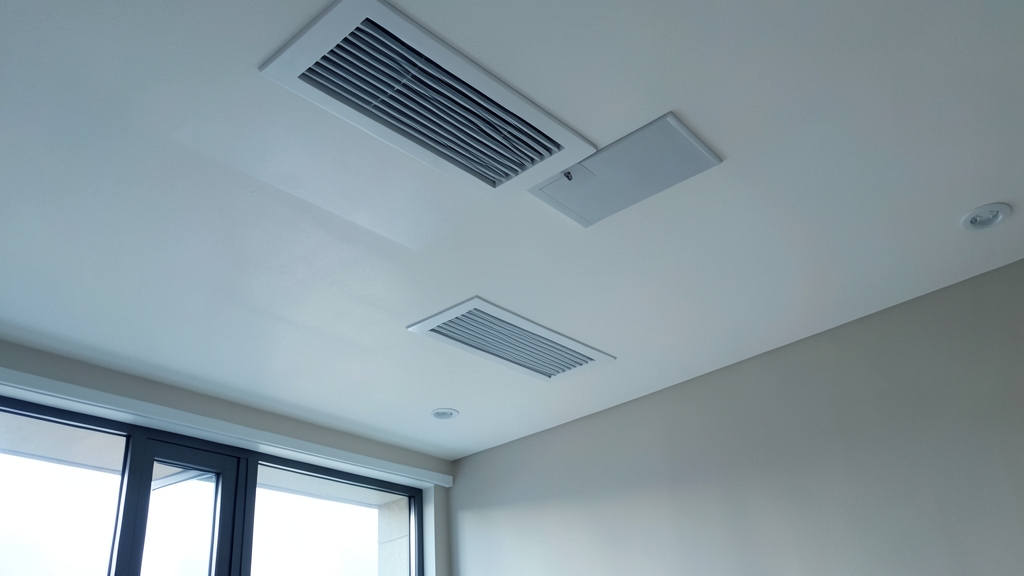
Mold isn’t just an eyesore—it’s a silent invader that can compromise your home’s structure and your family’s health. While DIY fixes might seem tempting, professional mold remediation ensures the problem is gone for good, not just hidden. Here’s why Rocky Valley homeowners should leave it to the experts.
The Hidden Dangers of DIY Mold Removal
Disturbing mold without proper containment releases spores into the air, worsening indoor air quality. Without HEPA filtration and negative air pressure, you risk spreading contamination to clean areas of your home.
Household cleaners like bleach only remove surface mold, leaving roots embedded in drywall, wood, or insulation. This allows regrowth within days, especially in humid Pennsylvania summers or damp basements near Coopersburg.
Inhaling mold spores can trigger allergies, asthma, or respiratory infections. Black mold (Stachybotrys) may produce mycotoxins linked to long-term health issues. Always wear PPE—or better yet, call professionals.
How Professionals Contain and Remove Mold Safely
We start with a thorough mold inspection and air quality testing to identify the species and extent of infestation. This step is critical in areas like Springtown, where older homes often hide mold behind walls or under flooring.
Next, we establish containment barriers using plastic sheeting and negative air machines. This prevents spores from migrating during removal, protecting your furniture, HVAC system, and adjacent rooms.
For porous materials like drywall or carpet, removal is often the only solution. Non-porous surfaces are cleaned with antimicrobial agents, and HEPA vacuums capture lingering spores. All debris is sealed and disposed of per EPA guidelines.
Mold Remediation vs. DIY: What You’re Really Paying For
Professional remediation isnIt’s not just about labor—it’s about expertise and equipment. While DIY might save upfront costs, hidden mold can lead to structural damage or health bills down the line.
We use commercial-grade dehumidifiers, air scrubbers, and moisture meters to ensure the environment stays inhospitable to mold. This is especially vital in Hellertown’s flood-prone areas or Center Valley’s older basements.
| Factor | Professional Remediation | DIY |
|---|---|---|
| Safety | Full PPE, containment, HEPA filtration | Limited protection; high exposure risk |
| Effectiveness | Root-level removal, prevents regrowth | Surface-only; high recurrence rate |
| Equipment | Air scrubbers, dehumidifiers, moisture meters | Household cleaners, basic tools |
| Long-Term Cost | Higher upfront, but lasting results | Lower upfront, but potential for repeated treatments |
| Often included | None |
Local Conditions That Fuel Mold Growth in Rocky Valley
Pennsylvania’s humid summers and wet springs create ideal conditions for mold. Poor attic ventilation traps moisture, while basements in Quakertown or Coopersburg often lack proper waterproofing, leading to chronic dampness.
Leaky roofs, condensation from HVAC systems, or even cooking and showering without ventilation can elevate indoor humidity. Mold thrives above 60% humidity—common in crawl spaces and bathrooms without exhaust fans.
The Role of Moisture Control in Preventing Recurrence
Mold remediation without moisture control is like treating a symptom, not the disease. We address the root cause—whether it’s a leaky pipe, poor drainage, or inadequate ventilation—to ensure mold doesn’t return.
Solutions may include crawl space encapsulation, basement waterproofing, or installing dehumidifiers. In attics, improving ventilation or adding vapor barriers can prevent condensation buildup.
Moisture Control Checklist for Homeowners
- Fix leaks in roofs, pipes, or windows immediately
- Use exhaust fans in bathrooms and kitchens
- Maintain indoor humidity below 50% with dehumidifiers
- Ensure proper grading around your home’s foundation
- Inspect and clean gutters and downspouts regularly
- Consider a sump pump for basements in flood-prone areas
When to Call a Professional: Red Flags in Your Home
Visible mold covering more than 10 square feet requires professional attention. But even small patches in HVAC systems or behind walls can spread rapidly if not handled correctly.
Musty odors, water stains, or peeling paint are signs of hidden mold. If family members experience unexplained allergies or respiratory issues, it’s time for a mold inspection and air quality test.
Mold can damage structural materials like wood and drywall within weeks. The longer you wait, the more extensive—and costly—the remediation becomes.
Commercial Mold Remediation: Protecting Businesses Too
Mold doesn’t just affect homes. Offices, schools, and retail spaces in Rocky Valley and surrounding areas like Center Valley can face large-scale infestations that disrupt operations and endanger employees or customers.
Commercial remediation often involves after-hours work to minimize downtime, as well as coordination with property managers to address building-wide moisture issues. We follow strict protocols to meet OSHA and EPA standards.
How to Prepare for Professional Mold Remediation
A little preparation ensures the process goes smoothly and safely.
- 1Clear the Area
Remove furniture, personal items, and pets from the affected space. This allows our team unobstructed access and reduces contamination risk.
- 2Turn Off HVAC Systems
Shut down heating or cooling to prevent spores from spreading through ductwork. We’ll advise when it’s safe to restore service.
- 3Seal Off Adjacent Rooms
Close doors and cover doorways with plastic sheeting if possible. This helps contain spores to the work zone.
- 4Communicate Special Needs
Inform us about sensitive individuals (e.g., immune-compromised, infants) or areas requiring extra protection, like home offices or nurseries.
- 5Plan for Temporary Relocation
For extensive infestations, consider staying elsewhere during remediation. This is especially wise for large projects or if occupants have health concerns.
Frequently Asked Questions
How long does professional mold remediation take in Rocky Valley?
Timeline varies by infestation size and location. Small jobs may take 1–3 days, while large or complex cases (e.g., attic or crawl space remediation) can take a week or more. We provide a detailed estimate after inspection.
Is mold remediation covered by homeowners insurance?
It depends on your policy and the cause. Sudden water damage (e.g., burst pipe) is often covered, but long-term moisture issues or neglect typically aren’t. Check with your insurer and request a quote from us to understand costs.
Can I stay in my home during mold remediation?
For minor, contained issues, you may stay if we establish proper containment. However, for large infestations or if occupants have health sensitivities, temporary relocation is recommended. We’ll discuss safety protocols upfront.
What’s the difference between mold removal and mold remediation?
Mold removal refers to eliminating visible mold, while remediation addresses the root cause (moisture) and ensures spores are contained and prevented from returning. True remediation includes cleanup, repairs, and prevention strategies.
Do you serve areas near Rocky Valley, like Hellertown or Quakertown?
Yes, we provide mold inspection, testing, and remediation across Rocky Valley and neighboring communities, including Coopersburg, Springtown, Hellertown, Center Valley, and Quakertown. Local expertise matters—we understand the region’s climate and housing stock.
How can I prevent mold after remediation?
Control moisture: fix leaks, use dehumidifiers, and improve ventilation. Regularly inspect prone areas (basements, attics, crawl spaces) and address water damage immediately. We offer moisture control solutions tailored to your home.